Warm Cabs, Cold Cash: The Real Cost of Yard Idling in UK Depots
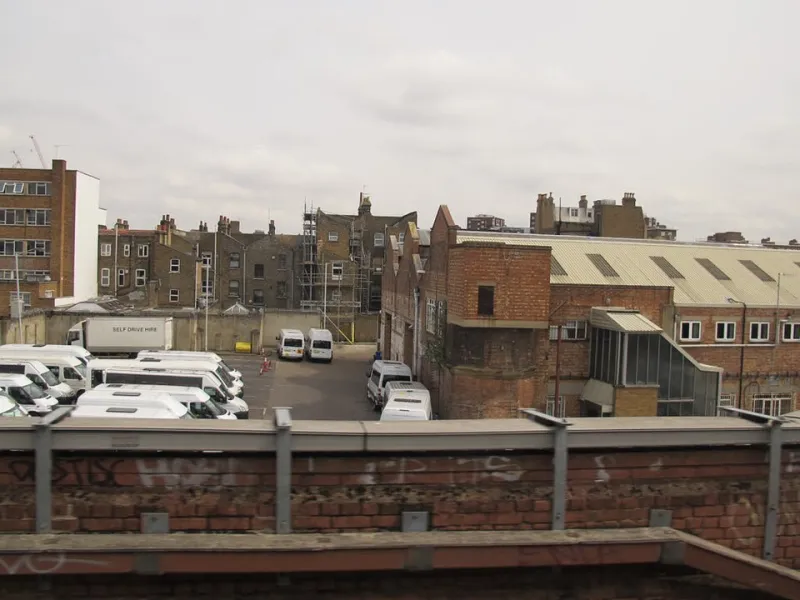
Photo: Stephen Craven , CC BY-SA 2.0, via Wikimedia Commons
Idling is one of the few fuel costs a UK depot can influence without changing routes, loads or delivery windows. It is also one of the easiest costs to overlook, because no receipt is printed when a van sits at a loading bay with its engine running. The fuel card records the purchase; the telematics unit records the engine-on time; the budget line records neither as idling. In 2026, with diesel prices still material and electric vans only partly displacing diesel work, that gap deserves a proper audit.
Why yard idling escapes the fuel ledger
A depot fuel report usually starts with litres bought and ends with pence per mile. Idling sits between those two points. A driver warming the cab on a frosty morning, a van queueing for a bay, a rigid waiting for a forklift and a workshop vehicle left running for a battery check all consume fuel without moving. Because the fuel is bought in bulk or through a card, the cost is absorbed into a general fuel variance rather than challenged as a specific behaviour.
Telematics has made the behaviour visible. Most systems can export idle events by vehicle, duration, location and time of day. The missing step is converting those minutes into litres, pounds and a monthly line that a transport manager can act on. That is an accounting exercise as much as an operational one.
A four-week audit that produces a number
Begin with a representative four-week period, ideally one that includes ordinary weather and at least one cold snap. Export idle events for every vehicle in scope. Classify each event into one of four groups: yard warm-up, loading-bay or gate queue, driver break or admin, and workshop or maintenance. Only the first two should normally sit inside a depot idling policy; the others need separate review.
Next, apply a fuel-burn assumption by vehicle class. These are planning figures, not laboratory values, and should be replaced by telematics fuel-rate data where it is reliable. A useful starting set is:
| Vehicle class | Indicative idle burn |
|---|---|
| Car-derived van | 0.6 to 1.0 litres per hour |
| Medium panel van | 1.0 to 1.6 litres per hour |
| Large panel van | 1.6 to 2.2 litres per hour |
| 3.5-tonne chassis cab | 2.0 to 2.6 litres per hour |
| Rigid HGV | 2.5 to 4.0 litres per hour |
| Articulated HGV | 3.5 to 5.0 litres per hour |
Multiply the hours by the burn rate and by your 2026 diesel cost. At an indicative £1.45 per litre, a fleet of 24 large vans idling for 18 minutes a day over 240 working days would consume roughly 3,110 litres and cost about £4,500 a year. That is not a rounding error, and it is before HGVs are included.
Cold-morning exceptions that should survive the policy
A zero-idling policy is easy to write and hard to defend in a UK winter. Drivers need a clear view through the windscreen and a safe cab. A sensible exception allows five to ten minutes of engine running for defrosting and demisting when ambient temperatures are at or below about 3°C, or when ice is present. It should not become a thirty-minute warm-up while paperwork is completed.
The exception should be logged, not assumed. Telematics can tag low-temperature events, and drivers can use a simple reason code. A depot that sees the same vehicle idling for twenty minutes every morning in January should investigate the route start time, parking arrangement or cab equipment rather than simply issuing a warning.
A driver scorecard that treats idling as controllable
Idling is a behaviour, but it is also a system outcome. If vehicles queue at a gate because booking slots are poorly spaced, the driver is not the only cause. A scorecard should therefore separate driver-controllable idling from site-controllable idling.
Useful metrics include idle minutes per vehicle per shift, idle events per 100 kilometres, and the percentage of engine-on time spent stationary. A large van fleet might set a working target of under eight minutes per vehicle per shift, excluding logged cold-weather exceptions. Report by depot, by route group and by vehicle, not by named driver in the first instance. The aim is to show the cost and the trend, then move to individual coaching where the pattern is persistent.
A monthly scorecard can be simple: vehicle, duty cycle, total idle minutes, exception minutes, chargeable idle minutes, estimated fuel cost and a rank against the fleet median. Add a short comment column for the transport supervisor. The scorecard should be discussed in the same meeting as fuel spend and missed delivery slots, because that is where operational trade-offs are made.
Reporting the line
The final step is to give idling a name in the management accounts. A single line called depot idling cost, calculated from telematics minutes and a stated burn rate, is enough to start. Report it monthly alongside fuel purchased, miles run and cost per mile. Review the burn assumptions twice a year and the cold-weather exception each autumn. In 2026, a depot that can show its idle ledger is better placed to defend its fuel budget than one that can only show what it bought.