Paraffinic Promises: What a Controlled HVO Trial Must Prove Before a UK Fleet Commits
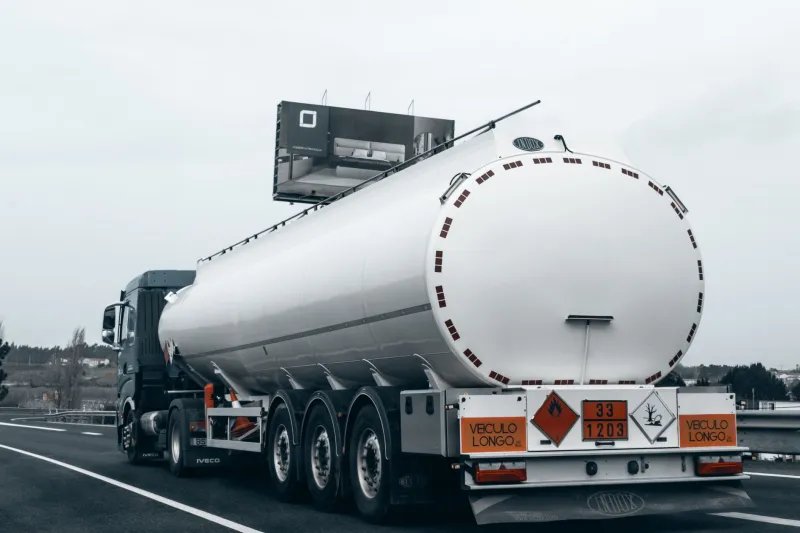
Hydrotreated vegetable oil, or HVO, has moved from the margins of UK fleet discussion to a regular item on fuel strategy agendas. The pitch is seductive: same tank, same pump, same engine, lower reported carbon. For a fleet manager under pressure to reduce Scope 1 emissions without replacing vehicles, that sounds like an easy win.
It is not easy, and it is not automatic. HVO is a family of paraffinic diesel fuels, not a single uniform product. A controlled trial must test the fuel, the supply chain, the vehicles, the drivers and the finance case together. Otherwise a fleet can end up with a greener-looking fuel card statement and a ledger that no one can defend.
Start with a diesel baseline, not a supplier pitch
Before a single litre of HVO is delivered, establish what diesel is costing and doing across the fleet. Pull twelve months of fuel card and telematics data if it exists, and at least eight weeks of clean data if it does not. You need litres, mileage, mpg, route mix, payload patterns, idling hours and AdBlue consumption by vehicle or by homogeneous group.
That baseline does two jobs. It gives the trial a control group, and it stops a common error: attributing every later improvement to the fuel. A van that moves from urban multi-drop to trunking will flatter any fuel. A cold snap will distort cold-start comparisons. A baseline with route and season notes is more credible than a simple before-and-after pump price comparison.
Define the trial boundary in writing. Which vehicles, which depots, which tanks, which routes, which dates? If the trial is small, say so. A ten-vehicle trial can produce useful operational evidence, but it will not prove a fleet-wide carbon case on its own.
Compatibility is a paper exercise and a physical one
The phrase drop-in is technically useful and commercially dangerous. It suggests that no one needs to check anything. In practice, compatibility has three layers.
First, the vehicle. HVO grades meeting EN 15940 are widely used in diesel engines, but original equipment manufacturer approval is model- and grade-specific. Ask for written confirmation for the exact grade and blend being supplied, not a general statement that the manufacturer supports renewable fuels. Older vehicles, unusual engine variants and vehicles under extended warranties deserve particular attention.
Second, the tank and dispenser. Confirm seal, gasket and material compatibility with the fuel supplier and equipment maintainer. Check whether the tank has water ingress, microbial growth or sediment that should be dealt with before changeover. Paraffinic fuels can behave differently from mineral diesel in older storage systems, and a trial is the wrong time to discover a failing seal.
Third, the paperwork. Keep the safety data sheet, specification sheet, delivery notes and any warranty correspondence in one trial file. If a vehicle develops a fuel-related fault, that file will matter more than a supplier's marketing brochure.
Supply must be boring before it is green
A fuel that cannot be delivered reliably is not a fleet fuel. Before the trial starts, establish the supplier's proposed grade, cold-flow specification, delivery lead time, minimum order quantity and backup arrangements. Ask what happens in a cold snap, a bank holiday or a supplier outage.
HVO is not one cold-weather product. The cold filter plugging point matters in a UK winter, particularly for early-morning starts and yard-based operations. Confirm the winter grade being supplied and how the supplier communicates grade changes. If the fleet has multiple depots, check that each tank will receive the same specification and that drivers are told when it changes.
Storage hygiene deserves more attention than it usually gets. HVO trials often start with a tank that has held diesel for years. Sampling before changeover, cleaning where necessary and monitoring water and sediment during the trial are basic controls. Fuel filters should be inspected on a planned basis rather than only after a breakdown.
Cost per mile, not pence per litre
The commercial case cannot be settled by comparing the HVO pump price with the diesel pump price. Build a cost-per-mile model that uses actual trial mpg, not brochure assumptions. Include the fuel price, any difference in volumetric consumption, filter and maintenance costs, tank cleaning, driver communications, telematics configuration and the administrative time needed for carbon reporting.
HVO is often priced at a premium to diesel. That premium may be justified by carbon reduction, client requirements or contractual emissions targets, but it should be shown as a separate line, not buried in the fuel rate. A finance director will want to see the cost of avoided carbon as well as the cost per mile. If the fleet is buying carbon reductions for a customer contract, state the contract value or risk being offset. If it is a voluntary reduction, say that too.
Run the trial long enough to cover ordinary variation: at least eight to twelve weeks for many UK fleets, and longer if seasonal cold-start behaviour is central to the decision. Compare the trial group with a control group on similar routes. Report exceptions openly. A trial that only reports favourable weeks is not evidence; it is advocacy.
Cold starts, storage and the bits drivers notice
Drivers will notice more than the finance team expects. Cold-start noise, crank time, exhaust smell and range can all shape acceptance. HVO's higher cetane number can give smooth combustion, but cold-flow performance depends on the grade supplied. Do not promise drivers a identical experience; promise them a monitored one.
Driver communication should be short, practical and repeated. Label the pump or tank clearly. Explain that HVO is not a misfuel risk in approved vehicles but that it must not be used in vehicles outside the trial without confirmation. Give drivers a named contact and a simple way to report rough running, filter warnings or unusual consumption. If the trial includes a fuel card, make sure the card and reporting system can distinguish HVO from diesel by site or vehicle.
Telematics should be configured before the first delivery. Fuel level, mileage and fault codes need to be comparable with the baseline. If the telematics provider cannot separate the trial group cleanly, the trial will produce anecdotes rather than data.
The carbon file a finance director will accept
Carbon claims need a chain of evidence, not a headline percentage. A finance director should expect the supplier's proof of sustainability or equivalent documentation, showing feedstock, carbon intensity and the chain-of-custody model. Invoices and delivery notes should tie litres delivered to the trial vehicles or tanks. The fleet's own calculation should map those litres to Scope 1 emissions using a documented methodology and state the assumptions clearly.
The UK's renewable transport fuel obligation reporting framework can support the supplier side of the story, but it does not replace the fleet's own evidence file. If the carbon reduction is being used in a customer bid or annual report, ask whether internal audit or external assurance will review the numbers. Build the file as if they will.
A go/no-go decision with no fog
At the end of the trial, the fleet should be able to answer four questions. Did the vehicles and tanks perform without unacceptable operational risk? Was supply reliable at the specification required? What was the fully loaded cost per mile against diesel? And is the carbon evidence strong enough for the organisation's reporting and contractual needs?
If the answer to any of those is unclear, extend the trial or narrow the claim. HVO can be a serious tool for UK fleets, but it is not a shortcut around fuel governance. The drop-in that is not quite drop-in is exactly the kind of change that deserves a controlled test, a clean ledger and a decision that can be explained long after the trial ends.